
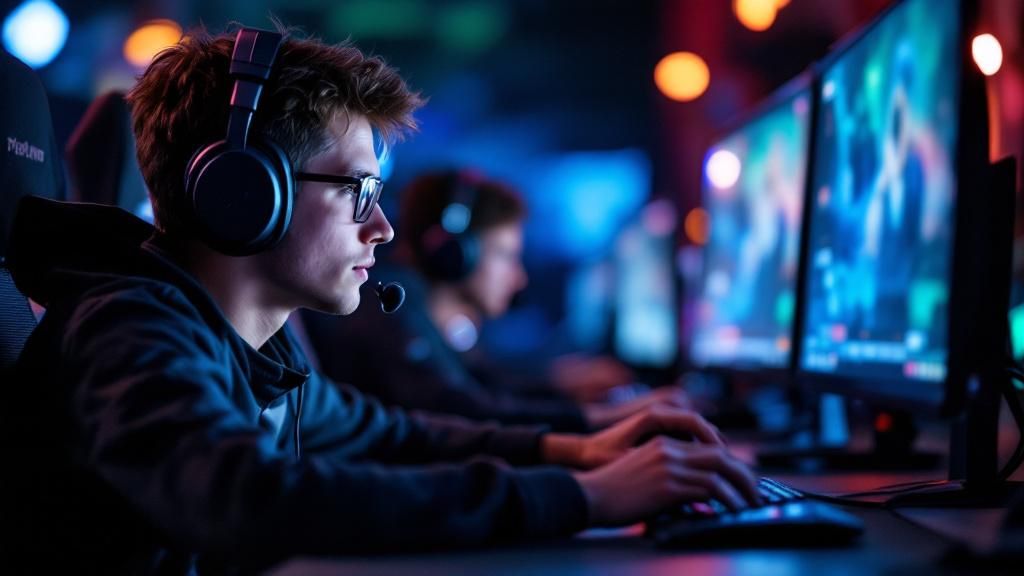
The competitive esports industry has undergone a remarkable transformation, with professional teams now prioritising mental health support as to an unprecedented degree. Once viewed as mere entertainment, esports has developed into a intense profession where players contend with intense scrutiny, demanding timetables, and considerable psychological demands. Acknowledging these pressures, leading organisations are investing substantially in comprehensive mental health initiatives, including sports psychologists, counselling services, and wellness initiatives. This article examines how the esports sector is reshaping its approach to player wellbeing and why mental health has become as important as physical training.
The Growing Importance of Psychological Wellbeing in Professional Esports
Professional esports has evolved into a challenging industry where emotional fortitude is as critical as technical skill. Players contend with unprecedented pressure, including stiff competition, global audiences, and relentless media scrutiny. The mental burden of maintaining peak performance whilst meeting expectations has encouraged leading organisations to acknowledge that mental health substantially influences competitive outcomes. Consequently, progressive teams now consider psychological support essential to their organisational structure, rather than an optional extra.
The transition to focusing on mental wellbeing indicates wider sector recognition that burnout, anxiety, and depression substantially impact player performance and longevity. Many professional gamers experience disrupted sleep cycles, social isolation, and competition-induced pressure that traditional training regimens cannot resolve. By implementing integrated wellbeing frameworks, organisations display commitment to sustainable athlete development. This proactive approach not only strengthens individual player welfare but also builds stronger team unity and competitive performance across the esports landscape.
Contemporary esports teams engage multidisciplinary mental health professionals, such as sports psychologists, accredited mental health therapists, and wellbeing specialists. These specialists work collaboratively to develop personalised support strategies aligned with individual player needs. Through stress management techniques and cognitive behavioural interventions, extensive programmes tackle the particular psychological demands inherent in professional gaming. This investment indicates that leading organisations recognise mental health as integral to championship success.
The mainstreaming of conversations about psychological wellbeing within competitive gaming circles has substantially diminished stigma. Players more openly recognise emotional and cognitive struggles without concern about career consequences. This evolving mindset facilitates early intervention and assistance, helping squads spot and manage wellbeing challenges before they escalate. By fostering environments where discussing mental wellbeing becomes routine, organisations develop more robust and adaptable squads equipped to maintain peak performance throughout rigorous competitive periods.
Educational programmes supporting clinical support further strengthen wellbeing systems across professional esports. Teams deliver workshops addressing sleep quality improvement, nutrition’s psychological impacts, and mindfulness techniques. Players are trained in emotional regulation and stress resilience, equipping them with practical tools for managing competitive stress. These preventative measures lower crisis intervention needs whilst supporting long-term mental wellbeing across athletes’ careers.
Spending on mental health infrastructure demonstrates considerable financial outlay from organisations, yet yields significant benefits through enhanced player loyalty, better competitive performance, and reduced healthcare costs. Teams identifying this correlation secure market advantage whilst creating sector benchmarks. As mental health support grows more common professional esports, organisations neglecting to prioritise player psychological wellbeing risk losing players to competitors offering extensive support systems. This progression illustrates esports’ development as a recognised professional industry.
Comprehensive Mental Health Programmes and Support Systems
Professional esports organisations have developed multifaceted mental health frameworks that surpass traditional wellness initiatives. These detailed frameworks incorporate mental health services, anxiety reduction methods, and colleague support networks tailored to competitive gaming environments. By creating specialist mental health teams and partnering with expert organisations, teams guarantee players receive customised support tackling burnout, competitive stress, and social isolation. This comprehensive strategy recognises that long-term performance excellence requires addressing both psychological and emotional wellbeing together with fitness training and tactical preparation.
Professional Psychological and Psychological Services
Leading esports organisations now have full-time psychological experts and licensed counsellors who appreciate the unique pressures of competitive gaming. These professionals partner with players to develop coping strategies, manage performance anxiety, and tackle underlying psychological issues. Consistent individual sessions create safe spaces where athletes can discuss personal challenges, career pressures, and psychological concerns without concern about evaluation or professional repercussions. This personalised strategy has played a key role in improving player retention and overall team cohesion.
The inclusion of professional counselling services reflects a notable shift in how esports organisations approach player psychological welfare. By removing stigma surrounding psychological conversations, teams foster voluntary support-seeking rather than emergency intervention. Psychologists partner with coaching staff to recognise preliminary warning signals of burnout or distress, enabling prompt intervention. Furthermore, these services encompass interpersonal issues, family concerns, and post-competitive transition planning, acknowledging that players’ lives go beyond competitive gaming.
- Personalised therapy sessions addressing performance anxiety and stress relief
- Acute crisis protocols for acute mental health emergencies and urgent support
- CBT-based therapy techniques tailored to esports competitive pressures
- Family therapy services enhancing player family dynamics and domestic settings
- Post-competitive planning supporting players with professional growth pathways
Organisations demonstrate measurable improvements in player satisfaction and mental wellbeing following the introduction of dedicated psychological services. Teams utilising these services show reduced turnover rates, improved performance consistency, and stronger interpersonal dynamics. The commitment to supporting specialist psychological practitioners has become standard practice among elite-level teams, demonstrating the industry’s commitment to ongoing player growth. This evolution reflects wider understanding that elite competitors demand psychologically resilient, supported athletes.
Evaluating Achievement and Upcoming Developments
Measuring Mental Health Gains
Professional esports companies are increasingly deploying comprehensive metrics to assess the impact of their psychological support programmes. Teams track player engagement rates, attendance at counselling sessions, and performance improvements combined with psychological assessments. Initial findings shows significant correlations between robust mental health support and enhanced in-game performance, reduced player burnout, and stronger team unity. Forward-thinking organisations understand that investing in mental wellbeing directly translates to competitive advantages and long-term player growth.
Measuring success transcends traditional statistics. Organisations carry out periodic surveys evaluating player satisfaction with mental health services, stress levels, and overall quality of life. Many teams now employ dedicated mental health coordinators who analyse trends and adjust support programmes accordingly. This evidence-based method enables organisations to show measurable returns on investment, justifying continued funding for psychological services. Progressive esports companies regard psychological measures as equally important as traditional performance indicators.
Sector-Wide Standards and Regulation
The esports industry is moving towards establishing standardised mental health protocols across professional leagues and organisations. Several regional governing bodies have begun implementing mandatory mental health requirements, guaranteeing all teams offer comprehensive psychological services. These measures represent a major cultural change, recognising that competitor welfare is critical to the sport’s credibility and sustainability. Standardisation ensures responsibility and maintains consistent quality of psychological care irrespective of team resources or geographical location.
Governance structures are developing to safeguard athlete wellbeing holistically. Established organisations increasingly require teams to recruit certified psychological specialists, perform ongoing psychological reviews, and provide confidential support systems. These requirements help reduce negative perceptions of mental health discussions within high-performance contexts. As esports matures institutionally, psychological support measures are evolving into mandatory contractual requirements rather than optional enhancements.
Future Direction and Environmental Responsibility
Leading esports organisations are establishing comprehensive psychological support frameworks extending beyond single-player assistance to systemic industry change. Funding for collaborative research with universities aims to enhance comprehension of esports-specific psychological challenges and create scientifically-grounded solutions. Teams are establishing mentorship programmes connecting current players with former competitors who can provide perspective on sustained professional development and post-competitive life transitions. This holistic strategy ensures sustainable mental health infrastructure for future generations.
The trajectory of professional esports depends significantly on establishing psychological dialogue and integrating mental health resources at every point in a player’s professional journey. Organisations are growing more open about wellbeing struggles, openly championing players who seek support and showing that psychological wellbeing strengthens rather than weakens tournament results. As esports continues globalising, this focus on player psychological wellbeing will likely become a distinguishing feature of truly professional organisations, ultimately strengthening the entire esports community.
