
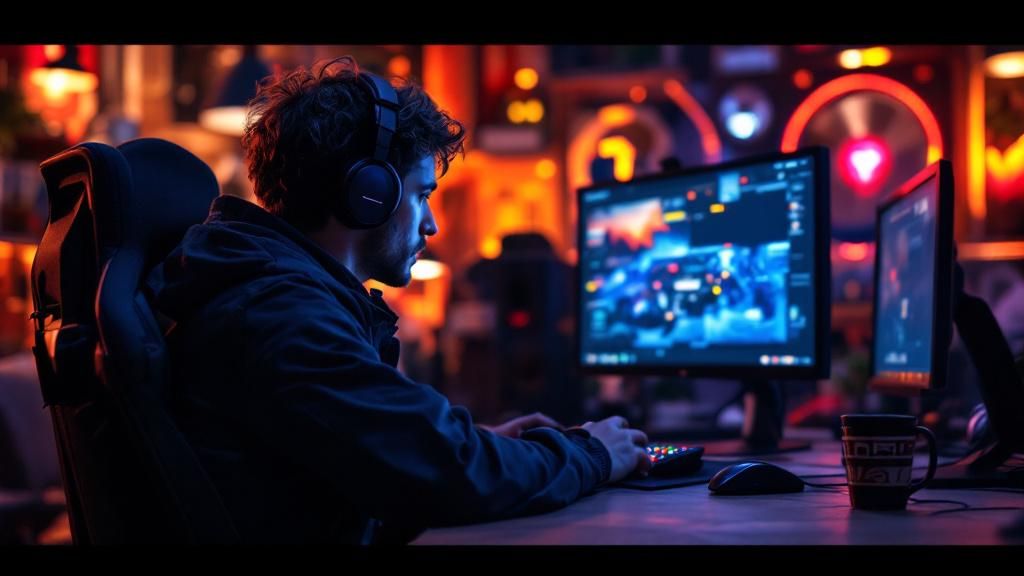
The PC gaming industry has experienced a significant transformation in recent years, with independent developers becoming trailblazers in storytelling innovation. Whilst major studios often rely on conventional approaches, indie creators are reinventing storytelling through experimental mechanics, unique angles, and deeply personal narratives. From narrative-driven adventures to genre-defying titles, these visionary developers are proving that powerful storytelling need not require substantial financial resources. This article explores how indie developers are redefining the gaming landscape and captivating audiences globally with their bold, innovative approaches to interactive storytelling.
The Growth of Self-Published Stories
The rise of indie creators has substantially reshaped the storytelling terrain of PC gaming. Freed from commercial limitations and commercial pressures, small development teams have grasped the ability to innovate in story craftsmanship in ways previously unimaginable. These creators emphasise creative integrity before financial considerations, developing emotionally resonant tales that resonate with players wanting genuine expression. Their determination to confront traditional gaming formulas has produced remarkable creations that show engaging stories surpasses budgetary limitations.
What distinguishes indie narratives is their openness to vulnerability and complexity. Rather than mainstream market-driven content, independent developers weave intricate character studies, philosophical explorations, and culturally specific stories into their games. This approach has cultivated a devoted audience hungry for authentic engagement. Platforms like Steam have democratised distribution, enabling small teams to reach global audiences directly without intermediaries. Consequently, indie developers now wield unprecedented influence in defining current gaming standards and audience expectations.
Challenging Established Game Development Conventions
Indie developers have substantially challenged the conventional rulebook of game design, rejecting cookie-cutter methods that control mainstream production. Rather than sticking with rigid genre classifications, these creative visionaries craft experiences that dissolve distinctions between creative platforms. Their readiness to explore with unconventional narrative structures, flexible advancement structures, and abstract visual styles has freed PC gaming from predictable conventions. By valuing artistic expression over commercial appeal, indie creators demonstrate that original ideas prosper when creators have creative autonomy and freedom to take calculated risks.
The impact of this fundamental change reaches well past niche audiences, shaping the way gamers understand interactive narratives. Titles featuring minimal dialogue, setting-driven storytelling, and player control over story direction have earned widespread recognition and market success. Small development teams have proven that compact teams, constrained finances, and innovative approaches can create deeply affecting game experiences. This accessibility of game development has encouraged many creators to question established norms, ultimately enriching the whole PC gaming landscape with multifaceted, contemplative narratives that connect with contemporary audiences wanting genuine creativity.
Impact on the Broader Gaming Sector
The impact of indie developers goes well past their own commercial success, fundamentally reshaping how major studios approach game development. Recognising the critical acclaim and audience involvement generated by innovative indie titles, established publishers have started funding in smaller, more experimental projects. This shift represents a paradigm change in the industry, where creative risk-taking is growing in importance alongside blockbuster production. As a result, the traditional distinction between indie and mainstream gaming has become significantly less clear, fostering a more diverse gaming ecosystem.
Indie narrative breakthroughs have directly inspired mainstream game design philosophies, with major studios now focusing on story complexity and emotional authenticity. Games like those developed by independent creators have demonstrated that players crave meaningful, character-driven experiences over graphical spectacle alone. This realisation has prompted larger publishers to allocate more funding towards dialogue writing, voice performance, and story development. The resulting industry-wide emphasis on story craftsmanship benefits all developers and enhances player expectations across all gaming devices and financial ranges.
Looking ahead, the cooperative relationship between indie developers and established studios promises ongoing development in gaming narratives. Emerging talent from the indie scene often progress to larger organisations, bringing fresh perspectives and experimental methodologies. This cross-pollination ensures that creative narrative methods become widespread conventions rather than marginal segments. Ultimately, indie developers have sparked a transformation within gaming, cementing narrative experimentation as a foundation of contemporary gaming experiences and cementing their place as transformative creative forces.
